
Anti-DPP-10 Rabbit Polyclonal Antibody
- Host
- Rabbit, Polyclonal
- Reactivity
- Validated- Human Potential-
- UniProt
- Q8N608
- Size
- 100ug
- Cat. #
- RP3DPP10
In stock
- SKU
- RP-DPP10
Target Overview
Dipeptidyl peptidase 10 (DPP-10, UniProt Q8N608), also known as dipeptidyl peptidase IV-related protein 3 (DPRP-3) or dipeptidyl peptidase-like protein 2 (DPL2), is an 796-amino acid type II transmembrane protein that belongs to the peptidase S9B family. Despite structural homology to active dipeptidyl peptidases, DPP-10 lacks catalytic activity and does not cleave dipeptide substrates. Instead, DPP-10 functions as a regulatory subunit that modulates voltage-gated potassium channels, particularly KCND2 (Kv4.2). DPP-10 promotes cell surface expression of KCND2 and alters its gating kinetics, affecting neuronal excitability and cardiac repolarization. The protein is localized to the cell membrane and consists of an extracellular domain and a short cytoplasmic tail. Researchers studying ion channel physiology, neuronal excitability, cardiac electrophysiology, and respiratory regulation rely on DPP-10 detection to understand its role in channel trafficking and modulation.
Background
References
- Sun W et al (2025) Revealing Causal Protein Biomarkers and Potential Therapeutic Targets for Histologic-Specific Lung Cancer. J Cell Mol Med. PubMed · 10.1111/jcmm.70866
- Whytock KL et al (2026) Identification of a New Transcriptional Signature of Pre-Adipocytes in Human Subcutaneous White Adipose Tissue. Obesity (Silver Spring). PubMed · 10.1002/oby.70135
Additional Specifications
| Gene Symbol | DPP10 |
|---|---|
| UniProt ID | Q8N608 |
| Host Species | Rabbit |
| Species Reactivity | Validated- Human Potential- |
| Pack Size | 100ug |
| Immunogen (Stalk region) | Immunogen is proprietary and confidential. Immunogen generated in amino acid region 15-34. |
| Immunogen (Â Spacer Region) | Immunogen is proprietary and confidential. Immunogen generated in amino acid region 141-280. |
| Immunogen (Catalytic domain) | Immunogen is proprietary and confidential. Immunogen generated in amino acid region 1-796. |
| Alternate Names | Inactive dipeptidyl peptidase 10, Dipeptidyl peptidase IV-related protein 3, DPRP-3, Dipeptidyl peptidase X, DPP X, Dipeptidyl peptidase-like protein 2, DPL2 |
Frequently Asked Questions
What molecular weight should I expect for DPP-10 on a Western blot?
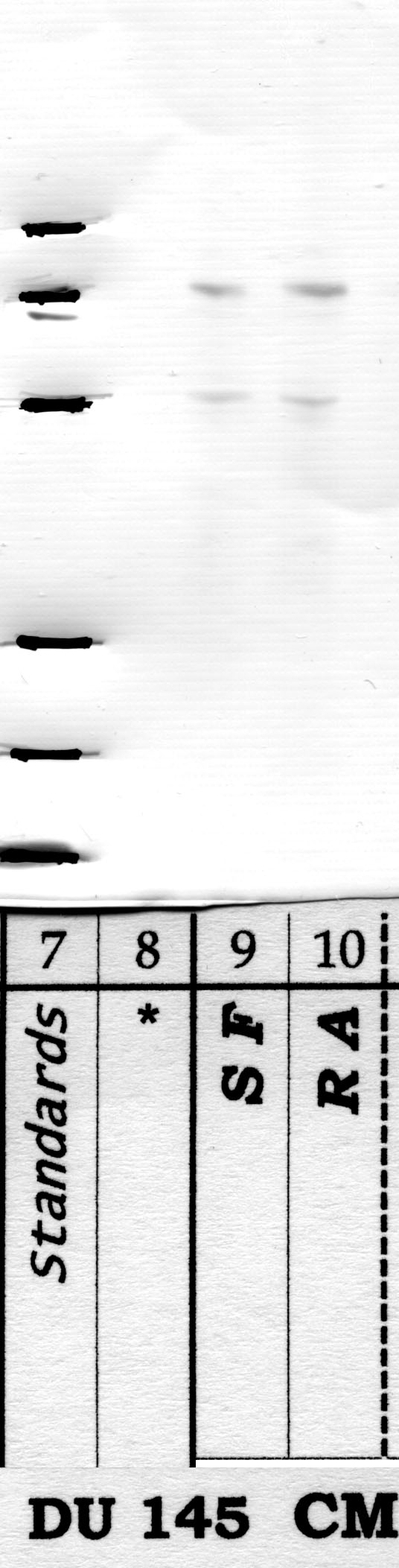
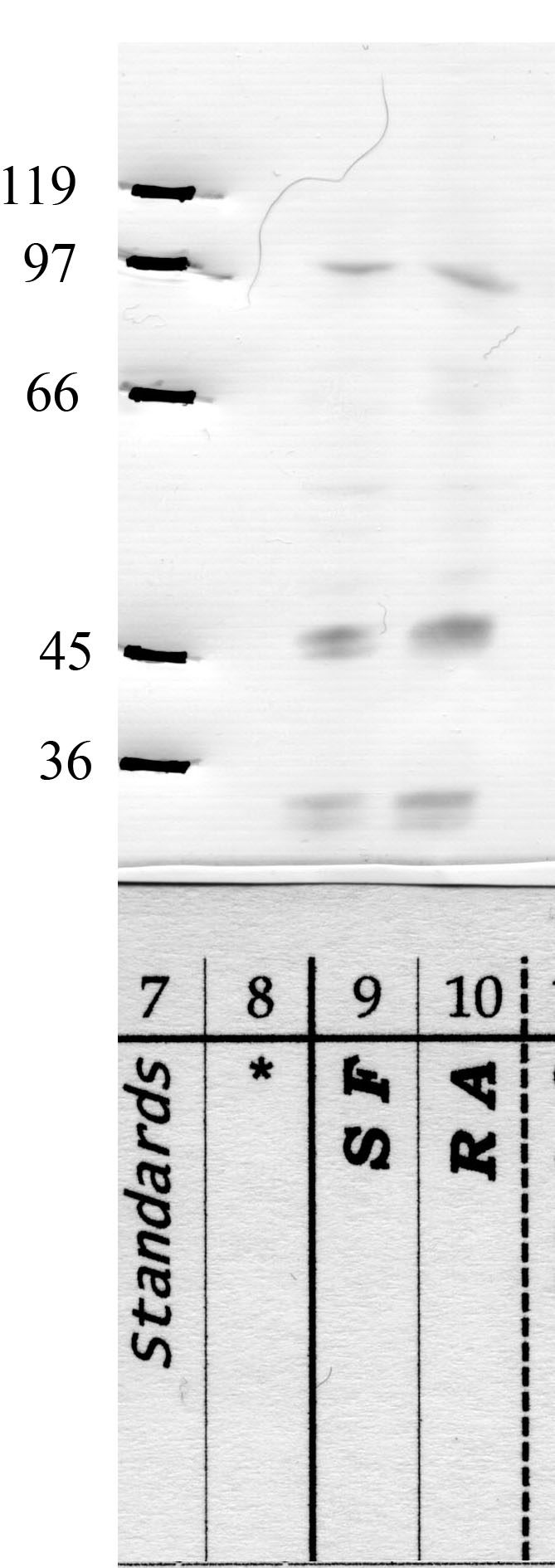
DPP-10 runs at approximately 95-100 kDa on Western blot, reflecting the full-length 796-amino acid type II transmembrane protein with post-translational modifications. The predicted molecular weight from the primary sequence is around 88 kDa, but glycosylation typically shifts the apparent size upward. You may also detect lower molecular weight bands representing proteolytic fragments or alternatively processed forms, particularly in tissues with high protease activity. Always include a positive control lysate from DPP-10-expressing tissue such as brain or heart to confirm your expected band.
Does DPP-10 have enzymatic activity I need to consider during sample preparation?
No. Despite belonging to the peptidase S9B family and sharing structural homology with catalytically active dipeptidyl peptidases like DPP-4, DPP-10 lacks dipeptidase activity and does not cleave dipeptide substrates. It functions solely as a regulatory subunit for voltage-gated potassium channels such as KCND2. Standard protease inhibitor cocktails in your lysis buffer remain important to prevent degradation of DPP-10 itself by endogenous proteases, but you do not need to worry about DPP-10 enzymatic activity affecting other proteins in your lysate or altering experimental outcomes.
What dilution should I start with for DPP-10 Western blot experiments?
Start at 1:1000 dilution for Western blot applications, as validated for this antibody. This rabbit polyclonal typically produces clean signal at this concentration when detecting endogenous DPP-10 from whole-cell lysates of brain, heart, or other excitable tissues where expression is highest. If your signal is weak or you are working with low-abundance samples, you can increase concentration to 1:500. Conversely, if background is high, titrate up to 1:2000. Always optimize against your specific lysate type and ECL detection system during initial experiments.
Is this DPP-10 antibody likely to cross-react with mouse or rat samples?
This antibody is validated for human DPP-10. Cross-reactivity with mouse and rat is predicted based on high sequence conservation across mammalian DPP-10 orthologs, particularly within the extracellular domain where most epitopes reside. However, cross-reactivity has not been experimentally validated by Triple Point Biologics. If you are working with rodent samples, plan to run pilot Western blots with positive control lysates from mouse or rat brain tissue to confirm reactivity and determine optimal working dilution before proceeding with experimental samples. Rodent sequence homology typically exceeds 85 percent for DPP-10.
What are good positive and negative controls for DPP-10 expression studies?
For positive controls, use lysates from tissues with high endogenous DPP-10 expression such as brain cortex, hippocampus, or cardiac tissue, where DPP-10 regulates Kv4.2 channel function and neuronal or cardiomyocyte excitability. HEK293 cells transfected with DPP-10 expression plasmid also serve as excellent positive controls. For negative controls, consider using lysates from non-excitable cell lines with minimal endogenous expression, or employ siRNA knockdown of DPP-10 in your experimental cell model to demonstrate antibody specificity. Peptide competition assays with the immunogen peptide provide additional validation.
Can I use this DPP-10 antibody for immunofluorescence or IHC applications?
Yes. Triple Point Biologics antibodies are validated brand-wide for Western blot, immunohistochemistry, and immunofluorescence applications. For IHC and IF, start with a dilution range of 1:100 to 1:200, then optimize based on your tissue type and detection system. DPP-10 localizes to the cell membrane, so expect peripheral staining in neurons and cardiomyocytes. Antigen retrieval is typically required for paraffin-embedded sections; citrate buffer at pH 6.0 is a reasonable starting point. Include appropriate blocking steps to minimize non-specific binding from this polyclonal antibody.
How should I store the DPP-10 antibody and what is the expected shelf life?
Store the antibody at -20°C in single-use aliquots to avoid repeated freeze-thaw cycles, which can compromise antibody integrity and lead to aggregation or loss of binding affinity. Once thawed, an aliquot can be stored at 4°C for up to one month for convenient daily use. Add sodium azide to a final concentration of 0.02 percent if you plan to keep working aliquots at 4°C for extended periods, as this prevents microbial contamination. The 100 µg pack size is sufficient for approximately 100 Western blots at the recommended 1:1000 dilution.
Why might I see multiple bands when blotting for DPP-10?
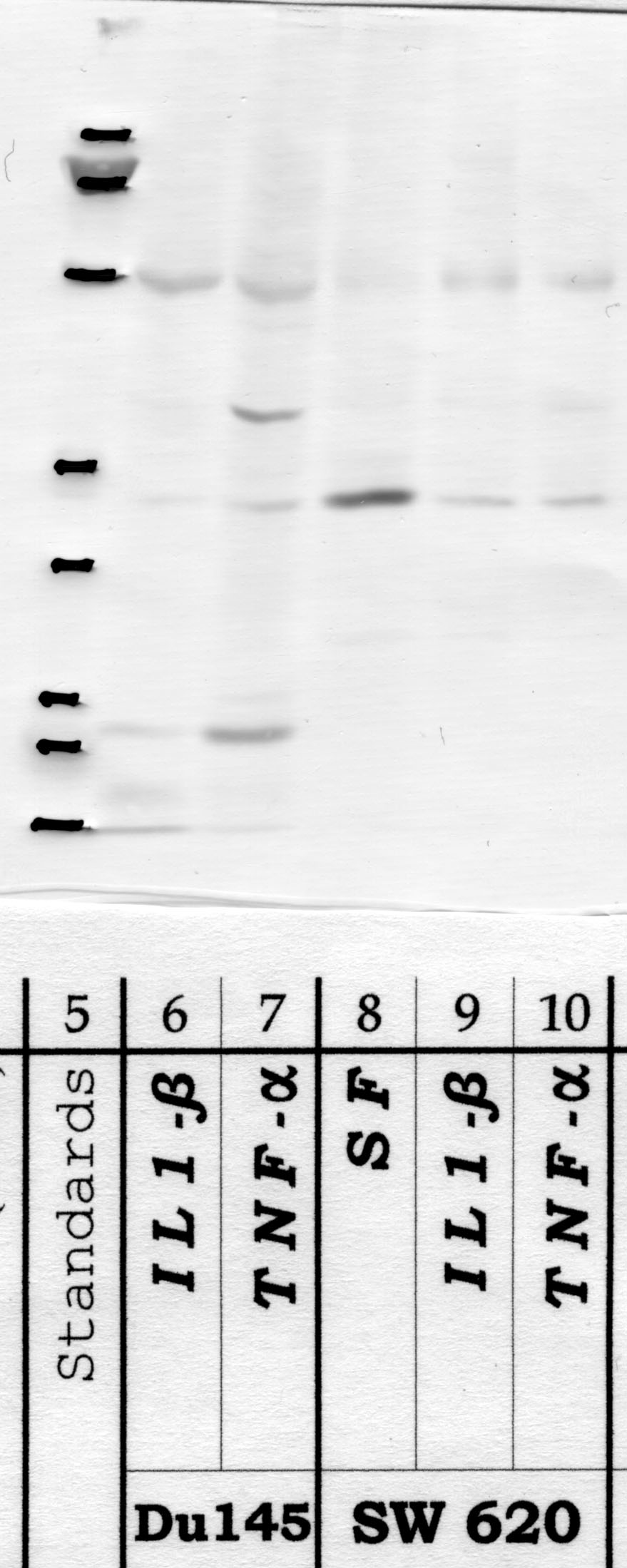
Multiple bands can arise from several DPP-10-specific factors. First, alternative splicing generates DPP-10 isoforms with different lengths, particularly variants lacking portions of the extracellular domain. Second, differential glycosylation produces heterogeneity in apparent molecular weight even for the same isoform. Third, proteolytic processing by endogenous proteases can generate stable fragments, especially in tissue lysates prepared without robust protease inhibition. Finally, DPP-10 may form complexes with Kv4 channel subunits that partially resist SDS denaturation. Running samples under fully reducing conditions and including protease inhibitors during lysis will help clarify the banding pattern.
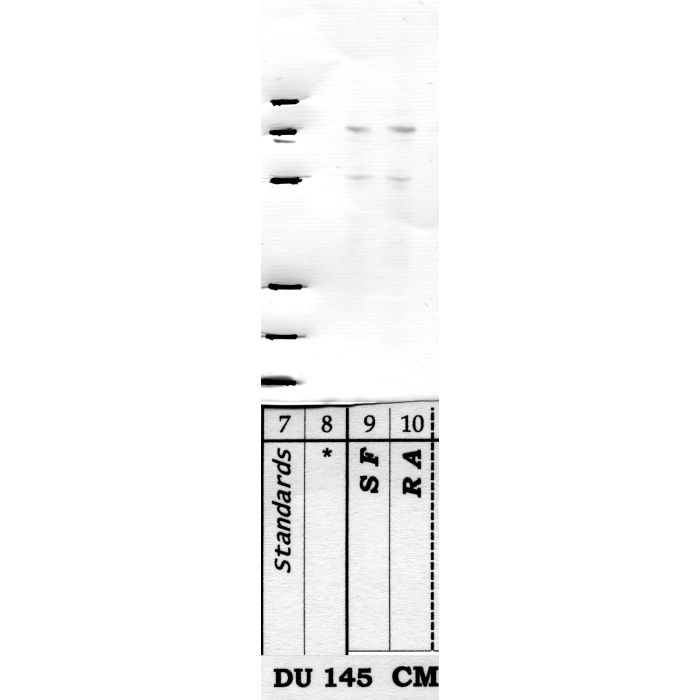
Western blot validation for RP-DPP10 — 3 panels across the domain-specific antibody variants. Each blot below shows the clone that validates a specific domain of the target protein.
Custom validation studies available on request — contact us.
Also known as:
- Inactive dipeptidyl peptidase 10
- Dipeptidyl peptidase IV-related protein 3
- DPRP-3
- Dipeptidyl peptidase X
- DPP X
- Dipeptidyl peptidase-like protein 2
- DPL2